
Spandana Nursing Home is an exclusive tertiary Psychiatric Centre with liaison of other medical departments which caters to the mental well-being of an individual and the community at large.This centre is tucked in a quite place in Rajajinagar amidst the shade of the trees which has weathered the test of time.Spandana stands for more than five decades and continues to serve with values.


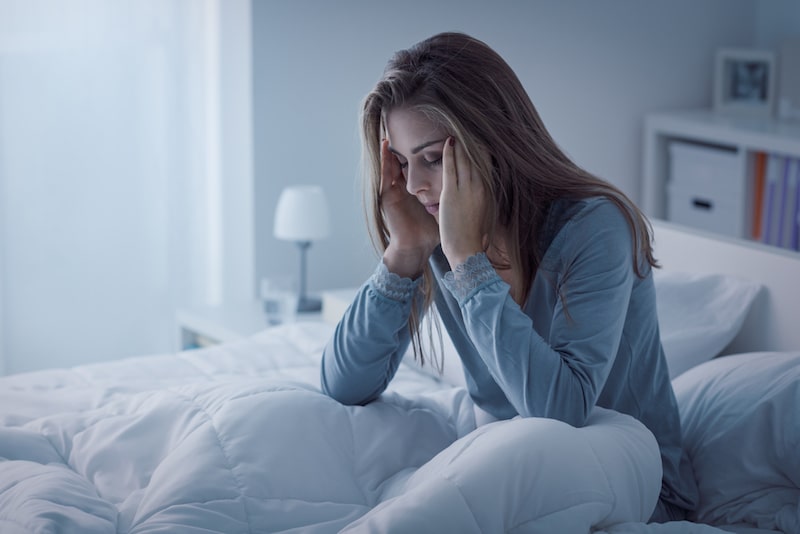
Sleep is a vital, highly organized process regulated by complex systems of neuronal networks and neurotransmitters. Sleep plays an important role in the regulation of CNS and body physiologic functions. Sleep architecture changes with age and is easily susceptible to external and internal disruption. Reduction or disruption of sleep can affect numerous functions varying from thermoregulation to learning and memory during the waking state.
Sleep physicians define human sleep on the basis of an individual’s observed behavior and accompanying physiologic changes. Behaviorally, human sleep is characterized by reclined position, closed eyes, decreased movement, and decreased responsivity to internal and external environment. The responsiveness to stimuli is not completely absent; a sleeper continues to process some sensory information during sleep, and meaningful stimuli are more likely to produce arousals than nonmeaningful ones.
Sleep consists of two strikingly different states, rapid-eye-movement (REM) sleep and non-REM (NREM) sleep. NREM sleep can be subdivided further into four stages. Polysomnography is the ‘‘gold standard’’ technique that simultaneously records the physiologic measures that define the main stages of sleep and wakefulness.restoring some metabolic function or in serving neural plasticity
One needs a sufficient amount of sleep to feel alert and refreshed and to avoid falling asleep unintentionally during the waking hours. Most young adults average 7 to 8 hours of sleep nightly, but there is a significant individual and night-to-night variability in these figures. Sleep restriction results in daytime sleepiness, and daytime sleepiness suggests that an individual’s sleep needs have not been met.
It also is useful to differentiate sleepiness from tiredness or fatigue. A tired or fatigued individual does not have a propensity to fall asleep given an opportunity to do so. A sleepy individual is not only anergic, but also falls asleep given the opportunity to do so.